 Skip to content


Posted by momina abbassi - September 25, 2026
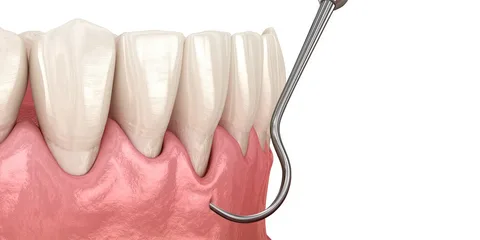
Gum recession occurs when the gum tissue pulls away from the tooth and exposes part of the tooth root. It can make teeth look longer and may cause sensitivity, discomfort, and an increased risk of root decay. Several treatments can address gum recession, but the right option depends on its severity and the condition of your gums.
Two commonly discussed options are Pinhole Surgical Technique (PST) and gum grafting. Understanding the differences between these procedures can help you make an informed decision. At Dental Aesthetic Studio, Dr. Huma Abbasi evaluates the gums and teeth before recommending the most suitable treatment.
What Is Gum Recession?
Gum recession occurs when the gums recede from the teeth. This reveals the root of the tooth, which is not covered with the same protective enamel as the crown of the tooth.
Common causes include:
- Gum disease
- Aggressive tooth brushing
- Poor oral hygiene
- Gums that are thin in the normal way, without being caused by gum disease.
- Teeth grinding
- Misaligned teeth
- Tobacco use
- Trauma to the gums
There might not be any signs of mild recession. However, severe recession may lead to tooth sensitivity, exposure of the roots, and alteration in the smile line.
Gum Recession Treatment: Pinhole Surgery vs. Gum Grafting
Pinhole Surgery and Gum Grafting are employed to close up the exposed tooth roots and enhance gum health. They both, however, apply different methods.
In pinhole surgery, a small hole is cut into the gum tissue. The dentist pushes the existing gum tissue over the root area. Typically, the technique doesn’t involve stitches or surgery to remove tissue from another part of the mouth.
In contrast, gum grafting is the process in which additional gum tissue is added to the exposed root area. Depending on the treatment plan, the tissue can be from another location in the patient’s mouth or from an appropriate donor source.
What Is Pinhole Surgery?
Pinhole Surgery is a small-incision procedure to treat gum recession. The dentist will instead make a small opening in the existing gum tissue and then move it back into place.
A special tool is used to push gum tissue toward the root. The tissue can also be supported with the use of a collagen material.
Potential benefits include:
- Minimal tissue trauma
- There are no traditional graft harvesting methods.
- Less or no stitches
- Sometimes treatment for more than one tooth is required.
- Potentially shorter recovery
However, not all types or levels of gum recession are good candidates for pinhole surgery.
What Is Gum Grafting?
Gum grafting is a proven method for gum recession treatment. In the process, the dentist covers the exposed tooth’s root with tissue and then holds it in place. This can help to preserve the gum line, diminish sensitivity, and protect the root by using a graft. It can also help enhance the look of receding gums. Your dentist may suggest other grafting procedures based on your condition. One that is often employed is a connective tissue graft.
Pinhole Surgery vs. Gum Grafting: Which Is Better?
There is no standardized procedure that is best for all patients. Your dentist will take these factors into account when evaluating Gum Recession Treatment: Pinhole Surgery vs. Gum Grafting in your mouth: level of recession, thickness of the gums, position of the tooth, bone support, and oral health.
Pinhole surgery may be a good option for patients with correct gum tissue who are seeking a less invasive procedure. Grafting the gums may be better suited if there is a great deal of missing gum tissue or if the dentist has to add new gum tissue to the area that is missing.
A thorough examination is required prior to deciding on either one.
Benefits of Treating Gum Recession
Gum recession treatment can be both health- and beauty-oriented. Treatment might:
- Cover exposed tooth roots with a tree.
- Plant around exposed tooth roots.
- Reduce tooth sensitivity
- Prevent rotting of roots.
- Improve gum health
- Enhance the look of the gum line
- Minimize additional tissue damage
- Use toothpaste that isn’t too harsh.
However, treatment alone will not cure the underlying cause. Generally, after treatment, it is also crucial to maintain good oral hygiene and regular dental check-ups.
What Happens During Recovery?
The number of teeth treated will affect the recovery and the method of treatment. Minimal swelling, tenderness, or sensitivity can occur following treatment.
Your dentist may also suggest a soft diet for a short time and that you refrain from brushing directly on the treated area until healing has occurred. All prescribed medications and oral hygiene prescriptions should also be followed. Don’t smoke during recovery, as it can affect recovery.
How Can You Prevent Gum Recession?
Preventive care can minimize the chances of additional recession. Brush with a soft-bristle brush and do not brush too hard. Brush and floss regularly, and visit your dentist for routine check-ups. A night guard may be recommended if you have a grinding problem with your teeth. Early gum disease treatment can also prevent the gums and supporting tissues from being affected.
Cost of Gum Recession Treatment
The cost of gum recession treatment in Islamabad starts from approximately PKR 15,000 per tooth. The final cost depends on several factors, including:
- Severity of gum recession
- Number of teeth treated
- Pinhole surgery or gum grafting
- Materials used
- Treatment complexity
- Follow-up care
At Dental Aesthetic Studio, Dr. Huma Abbasi examines your gums, recommends a suitable treatment, and provides an accurate cost estimate.
Why Choose Dental Aesthetic Studio?
Dr. Huma Abbasi of Dental Aesthetic Studio is committed to providing patients with the treatment that best suits their oral health and gum condition. She thoroughly assesses the severity of recession before suggesting pinhole surgery, gum grafting, or another treatment option.
The clinic emphasizes correct diagnosis, comfort for the patients, and effective dental care. Aftercare guidelines are also provided to patients and ways to stop further recession.
Final Thoughts
Two types of gum recession treatments involve applying methods of protecting the tooth root and enhancing the gum line – one of which is pinhole surgery, and the other is gum grafting. Gum grafting involves the use of existing gum to add tissue to the area, and pinhole surgery involves creating a small opening to access existing gum.
The best option is dependent on the extent and reason for your gum recession. If you notice any exposed roots, tooth sensitivity, or receding gums, then it is best to get a professional consultation at Dental Aesthetic Studio to get a treatment plan to help you.

