Posted by momnaabbasimomnaabbasi - February 18, 2026
Oral health largely depends on the teeth’s scaling. Most individuals believe that scaling just polishes teeth, yet dentists have usually found that dental issues were lurking in the process. This is why, often, patients ask, What Do Dentists Find During Teeth Scaling? The answer may surprise you. Scaling not only eliminates plaque, but it also exposes the initial symptoms of gum disease and other dental complications.
Understanding Teeth Scaling
A professional dental cleaning is the process of teeth scaling. Dentists clean the teeth and gum line as well as extract the bacteria, tartar, and plaque. This can be done by regular brushing, although it will not be able to remove hardened tartar.
Hence, professional scaling is necessary. In the process, dentists can have a clear picture of your mouth’s health. It is this clarity that can explain what dentists discover during teeth scaling in most patients.
Plaque and Tartar Buildup
Plaque and tartar are the most recurrent results of scaling. Diversity of food particles and bacterial forms plaque on a daily basis. Hardening of plaque results in tartar.
Brushing cannot reach tartar that is often located beneath the gum line, and thus dentists often find it. Eliminating it assists in averting tooth cavities and periodontal disease. This finding should address the primary aspect of what dentists find during teeth scaling.
Signs of Gum Disease
Periodontal disease usually goes unnoticed. Dentists often observe swollen, red, or bleeding gums in the course of teeth scaling. These are indications of gingivitis or early periodontal disease.
Furthermore, dentists can find pockets where bacteria are hiding in the gums. Timely treatment is possible through early detection. What Do Dentists Find During Teeth Scaling? Scaling is therefore essential in preventing gum disease that has not deteriorated.
Tooth Decay and Cavities
Teeth scaling also reveals cavities. Plaque and tartar often hide decay on tooth surfaces or cavities, which also show during teeth scaling. Plaque and tartar usually conceal decay on the surfaces or between teeth. After dentists have gotten rid of the buildup, they can easily identify vulnerable areas.
Simple fillings are well in early cavities. Due to this fact, the regular scaling will prevent complicated dental operations in the future. Once again, patients are in a better position to know what dentists discover when they are performing the process of scaling the teeth, when they get to understand the damage that plaque can conceal.
Bad Breath Causes
Extensive complaints have been received about bad breath. Bacteria that are under the gums, or even between teeth, are common during scaling as dentists work out the bacteria in their patients.
These bacteria are foul odor-producing bacteria. As soon as dentists get rid of them, the freshness of breath increases greatly. Thus, dentists often address the bad breath problem with scaling without further treatment measures.
Stained Teeth and Discoloration
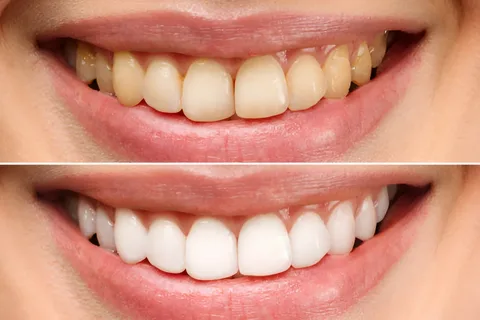
Surface stains are also observed by dentists in the process of scaling. Coffee, tea, smoking, and colored food discolor with time.
Scaling eliminates a lot of these stains and shows a whiter smile. Although scaling does not substitute for whitening, it enhances the appearance of the teeth significantly.
This cosmetic advantage is another solution to what dentists discover during teeth scaling.
Worn Fillings or Dental Restorations
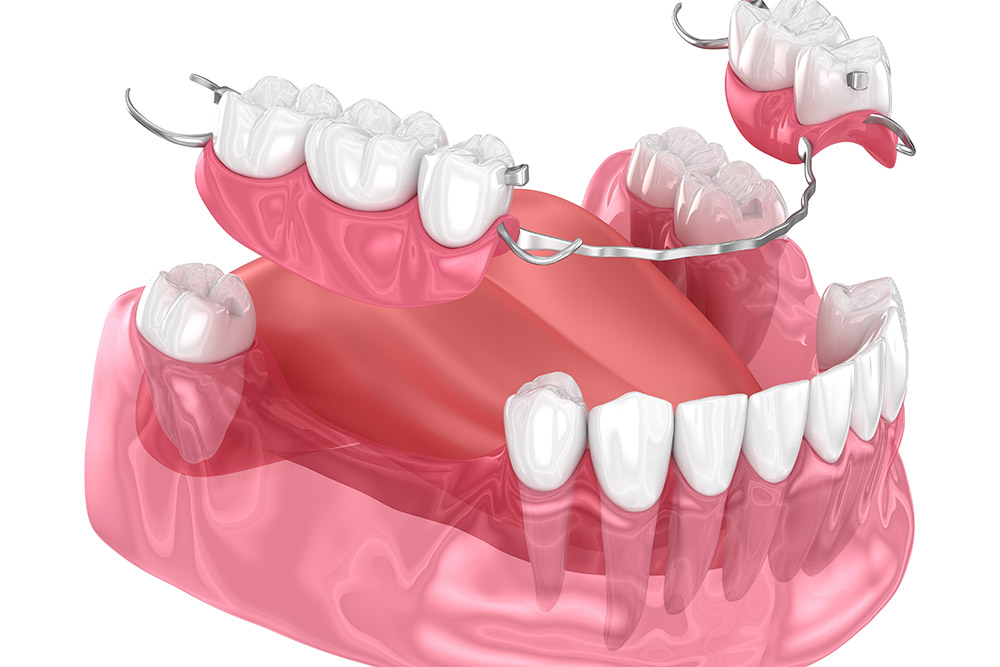
Dentists examine existing fillings, crowns, or bridges meticulously. There are cases when they discover their edges are worn or slightly damaged.
Early diagnosis makes it possible to repair and eliminate complications. This procedure prevents both natural teeth and dental restorations.
Gum Recession and Sensitivity
Gum recession is usually diagnosed during scaling by dentists. Gums receding expose the roots of the teeth and make them sensitive.
This disorder can be caused by violent brushing or gum disease. Once detected, dentists prescribe the proper methods of brushing and desensitizing.
As such, scaling not only cleanses but also keeps the gums healthy over time.
Oral Hygiene Habits Assessment
The scaling of teeth assists the dentist in examining your oral hygiene habits. They also look at the patterns of the plaque to determine areas that patients frequently miss when they brush their teeth.
In this examination, dentists give individual recommendations. This recommendation enhances daily oral hygiene and minimizes future dental issues.
Why Regular Teeth Scaling Matters?
By not having dental scaling, underlying issues would develop unnoticed. Frequent scaling helps to avoid loss of teeth, gums and high-cost treatment.
It also maintains a healthy smile. Dentists’ knowledge of what they encounter when scaling teeth captures the importance of regular dental check-ups.
Why Choose Dental Aesthetic Studio for Teeth Scaling?
What Do Dentists Find During Teeth Scaling? Dental Aesthetic Studio provides quality teeth scaling with a set of modern instrumentation and enhanced methods.
The clinic is patient-centered and is more oriented towards oral examination. Skilled dentists also clean teeth using care and detect the hidden problems at an early stage.
At Dental Aesthetic Studio, we provide dental care to patients on a personalized level, preventive advice, and long-term dental care.
Final Thoughts
What Do Dentists Find During Teeth Scaling? Dentists discover plaque, tartar, gum disease, cavities, stains, and early dental problems during teeth scaling. This enables the dentist to identify issues at an early stage and protect your smile.
When done with the Dental Aesthetic Studio’s professional attention to teeth scaling, it is not just a cleaning procedure but a major step to oral health throughout life. Regular scaling of your teeth would be the best place to begin a healthier and cleaner smile.