Posted by momnaabbasimomnaabbasi - January 28, 2026
Procrastination to extract wisdom teeth, among many, is based on either fear of surgery or absence of pain when it happens. Nevertheless, they tend to pose a great question:What Happens If I Don’t Remove Impacted Wisdom Teeth? Neglected wisdom teeth may cause severe dental complications in the long run. Thus, you can make a clever choice about your oral health, having known the risks.
In this blog, we will discuss What Happens If I don’t Remove Impacted Wisdom Teeth, the potential complications, and when you are supposed to seek treatment.
Understanding Impacted Wisdom Teeth
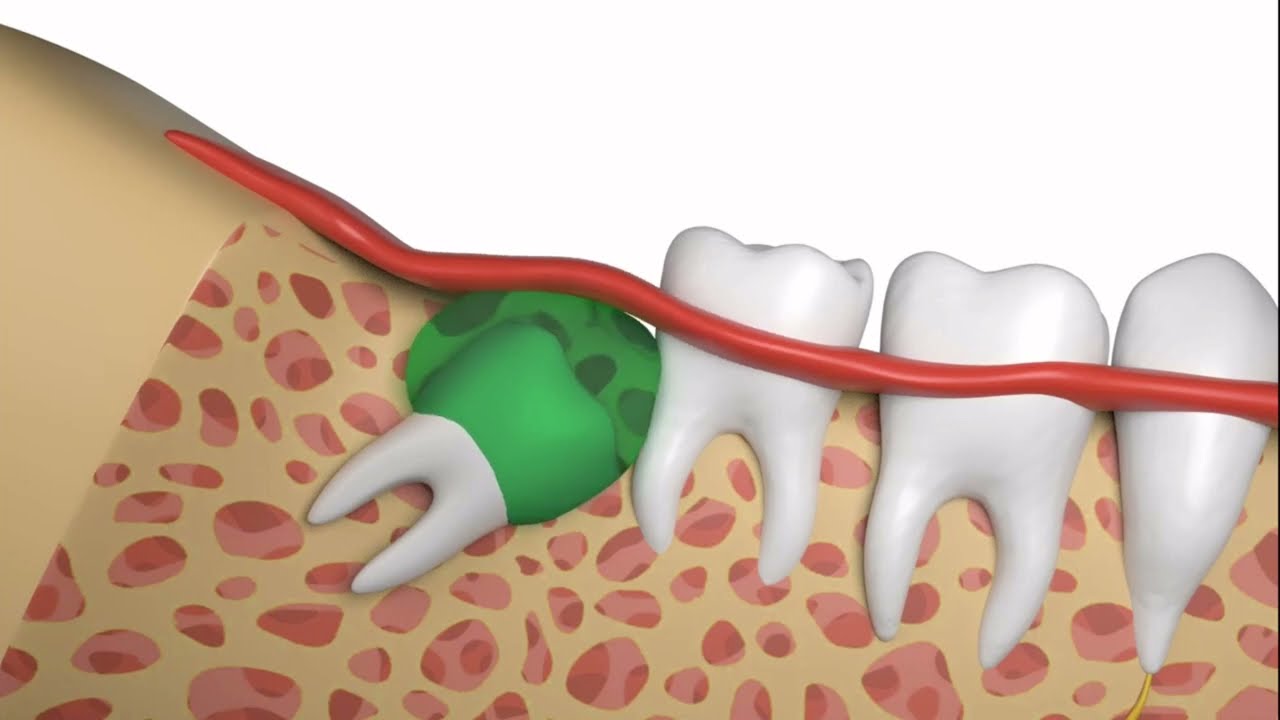
The age at which they normally emerge is 17-25. Nevertheless, these additional molars may not fit in the jaw of many people. Consequently, the teeth become trapped between the gums or develop at an angle. This condition is known to dentists as impacted wisdom teeth.
In other cases, affected teeth lead to instant pain. In most instances, however, they remain silent, sometimes even for years on. This is the reason why they are not taken seriously.
What Happens If I Don’t Remove Impacted Wisdom Teeth?
If you do not treat the impacted wisdom teeth, a number of issues can arise. Bacteria may accumulate first of all on the partially erupted tooth. Due to the fact that this place is not easy to clean, the risk of infection becomes higher.
Furthermore, food particles are easy to get between the gum and the tooth. This can lead to the development of swelling, bad breath, and gum irritation.
Therefore, the most commonly cited risk of not having the impacted wisdom teeth removed by a dentist is infection when patients pose the question, What Happens If I don’t Remove Impacted Wisdom Teeth?
Pericoronitis, also known as periodontal abscess, is an infection that may develop in the gums, typically affecting children and characterized by a painful, swollen area appearing as a pus pocket
Risk of Gum Infection (Pericoronitis)
Pericoronitis or periodontal abscess is an infection that can develop in the gums and occurs frequently in children, manifested by a painful and swollen node that may resemble a pus pocket.
Pericoronitis is one of the most common complications. This is a result of inflammation and infection of the gums surrounding the affected tooth. The patient may complain of pain, swelling, and trouble opening the mouth.
And if there is no treatment, the infection may spread to other areas. Thus, timely assessment will avoid severe pain.
Tooth Decay and Cavities
Affected wisdom teeth tend to be located in inaccessible parts. Due to this, it is difficult to brush and floss. Gradually, a deposition of plaque results in cavities.
Moreover, the decay can extend to the adjacent molars. Due to this, fillings, root canal treatment, or even extracting the teeth may be required.
Damage to Adjacent Teeth
In the case of sideways growth of wisdom teeth, they push against adjacent molars. This pressure may harm healthy teeth and misalign them.
As a result, you can have bite issues or moving teeth. Such pressure can also undermine the roots of neighboring teeth, especially in extreme cases.
Cyst Formation
In uncommon yet severe cases, affected wisdom teeth are the cause of cysts. The trapped tooth is encircled by a cyst that can destroy the jawbone and other nearby teeth that are nearby.
This does not occur in all cases, but it is one of the potential risks. Thus, dentists prescribe frequent X-rays to check the progress of wisdom teeth.
Jaw Pain and Headaches
Wisdom teeth tend to cause pressure within the jaw. This pressure can cause jaw stiffness, pain in the face, and even headaches.
In addition, swelling in the region might aggravate pain during chewing. This leads to an uncomfortable everyday life.
What Happens If I Don’t Remove Impacted Wisdom Teeth? Long-Term Effects
It may appear harmless to ignore affected wisdom teeth. Nevertheless, the cost of treatment and the recovery process can be extended by the long-term complications. You might be in need of a complex surgery as opposed to a basic extraction.
Thus, before complications develop, dentists tend to suggest the removal of impacted wisdom teeth.
When Should You Consider Removal?
Removal should be considered in the following:
- Pain or swelling
- Repeated gum infections
- Difficulty chewing
- Tooth crowding
- Cysts and jaw pressure
However, despite the fact that you may have no symptoms, regular dental examination helps to identify underlying problems at an early stage.
Why Choose Dental Aesthetic Studio for Wisdom Tooth Removal?
In Dental Aesthetic Studio, the impacted wisdom tooth removal is done by highly qualified professionals in a safe and comfortable way. The clinic employs technology and procedures that are up to date to facilitate easy procedures.
Dental Aesthetic Studio provides:
- Detailed dental evaluation
- X-rays to be digitized to diagnose correctly.
- Non-painful and risk-free extraction.
- Individualized post-discharge instructions.
Due to such a patient-centred approach, this method assures several patients of their treatment.
Final Thoughts
What Happens If I Don’t Remove Impacted Wisdom Teeth? Learn the risks, pain, infection, and long-term dental problems. You might develop an infection, develop tooth decay, experience pain around your jaw, develop cysts, and damage other teeth around you. Though the symptoms might not manifest themselves instantly, the concealed risks might develop in the long run.
Thus, do not disbelieve affected wisdom teeth. Book an appointment with Dental Aesthetic Studio and save your smile before it is too late. Preventative behavior will always result in easier treatment and health of the mouth.