Posted by momnaabbasimomnaabbasi - February 4, 2026
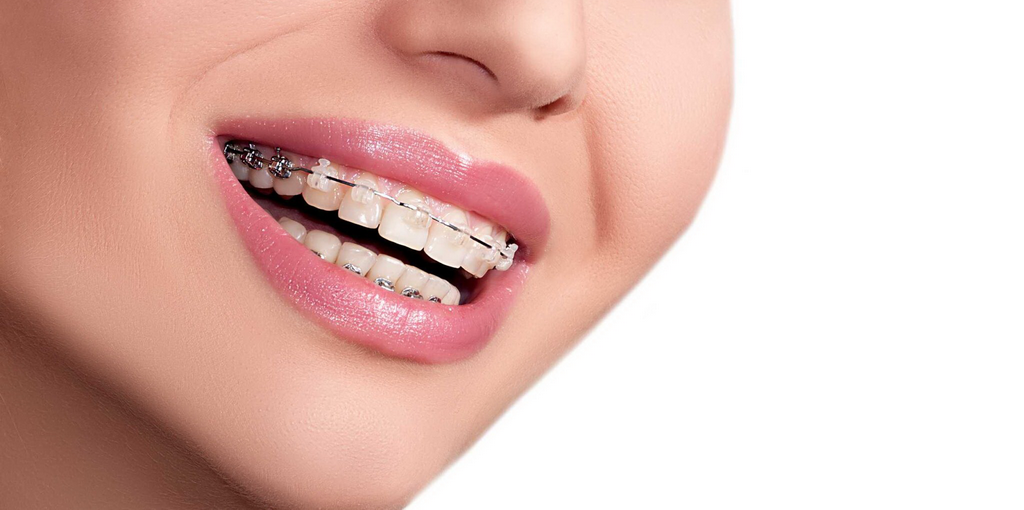
After completing orthodontic treatment, people often wonder whether their teeth will shift a decade after their braces removal. The thing is, yes, even many years later, teeth may change. Although orthodontics is important in terms of putting the teeth into position, the durability of the outcomes rests on the correct maintenance of the results. Dr. Huma Abbasi at Dental Aesthetic Studio in Islamabad provides patient education on long-term care to ensure they maintain straight and healthy teeth for an extended period. In this blog, we will explain why teeth start moving again even 10 years after braces.
Why Teeth Shift After 10 Years?
The movement of the teeth post-braces several years later is a highly prevalent issue. Minor movement can be caused by time, bone remodelling, gum changes, as well as the daily chewing pressure. Moreover, in some cases, somebody had serious crowding before treatment, then his/her teeth might have to stay strong for many years.
Other individuals also quit wearing retainers since they believe that the teeth are permanently attached in one position. But retainers play a very significant role in results maintenance. Since mouth structures constantly evolve throughout one’s life, small movements are typical, though they remain manageable with appropriate retention methods.
How does your Retainer Fix It?
The question that most people ask is: are your teeth moving after Dental braces, can your retainer straighten them? Yes, the minor shifting is, in most instances, corrected with constant retainer use. In case the change is not too drastic, then the same retainer will perhaps be in a position to get the teeth back in line over a period of time. New retainers or little orthodontic treatment may, however, be necessary in the event of a moderate or severe shift. The dentist will assess the level of severity and provide the most appropriate corrective plan.
How to prevent the teeth from moving again?
The following habits can be useful in the long term
- Wear retainers each day as per.
- Replace retainers when loose or broken.
- Treat gum problems early
- Inhibit the overbearing of hard foodstuffs.
- Quit nail biting or pen biting.
- Use night guards to control grinding.
The mouth never ceases its activity, so the teeth do not stop changing. The largest aspect that secures your orthodontic investment is consistency.
What to Do If Your Teeth Move
If you observe that your teeth are moving or shifting, you need to act quickly to prevent them from getting worse out of place:
-
Talk for Your Orthodontist:
Make an appointment with your dentist to speak about your worries. Therefore, they might advise adjusting your retainer or suggesting more remedy alternatives to repair any movement.
-
Re-Commit to Retainer Use:
If you were not using your retainer as recommended, promise to do so again. Moreover, sometimes, wearing your retainer can assist in straightening out teeth changes.
-
Explore Additional Treatments:
If your tooth has moved a lot, your orthodontist may suggest extra remedies, like clean braces or small dental adjustments, to get it back in its proper location.
Why Choose Dental Aesthetic Studio?
Dr. Huma Abbasi is concerned with the long-term retention and health of orthodontics at Dental Aesthetic Studio. The clinic also offers state-of-the-art retainers, post-braces evaluation, and tailored programs to manage shifting. The person had braces yesterday or ten years ago, anyway, professional assistance makes the smile healthy and straight.
Final Words
Will my teeth move after 10 years of braces? Yes, they can change over time; however, with good preventive treatment, correct use of a retainer, and regular dental check-ups, you can have straight teeth over a long period. If you experience any slight movement or pressure in the arrangement of your teeth, bring it to my attention. Early intervention is protection of your smile and helps avoid significant orthodontic problems in the future. Long-term alignment can be realized entirely with the assistance of professional care at Dental Aesthetic Studio and Dr. Huma Abbasi.