 Skip to content

Posted by momnaabbasimomnaabbasi - January 23, 2026
One of the most prevalent dental issues can happen at any age. It is typically initiated with tiny enamel defects and can slowly progress to a cavity if left untreated. Sometimes cavities do not give any symptoms in the early stages of decay, but in the later stages, cavities can cause sensitivity, pain, and infection.
A frequent remedy to treat decayed teeth is a filling. Knowing the symptoms and treatment options can keep your natural teeth.
Dr. Huma Abbasi is the best dentist at Dental Aesthetic Clinic who provides diagnostic and corrective dental care to manage dental cavities and promote oral health.
Dental Fillings 101: How to Tell If You Need One & What to Do Next
A dental filling is a method of restoring a tooth that is damaged by decay, and the decayed material has been removed. The dentist cleans the area and places a proper dental material in the area. The goal is to restore the shape, function, and strength of the tooth and to prevent further damage to the area. But not all toothaches need a filling, and it’s best to get a good dental evaluation first before deciding on treatment.
What Are the Common Signs You May Need a Dental Filling?
Not all tooth decay is painful. Some signs may suggest that it is time to see a dentist.
- Tooth Sensitivity
Any of these would signal enamel damage or tooth decay if the person complains of discomfort when eating or drinking something hot, cold, or sweet.
- Visible Holes or Dark Spots
Discolored areas on the surface of the tooth, such as small holes, pits, or dark spots, may indicate tooth decay. Your dentist can check for the need for a filling.
- Pain When Chewing
If you experience discomfort during biting or chewing, you may have tooth decay or damage. If pain persists, it should be evaluated by your dentist.
- Food Getting Stuck Between Teeth
When food is constantly stuck in one spot, it could be a cavity, a broken filling, or a change in the tooth’s contact.
- Persistent Toothache
When a toothache keeps coming back, it means it shouldn’t be ignored. It can be a sign of a more severe decay that needs immediate attention.
What Happens During a Dental Filling Procedure?
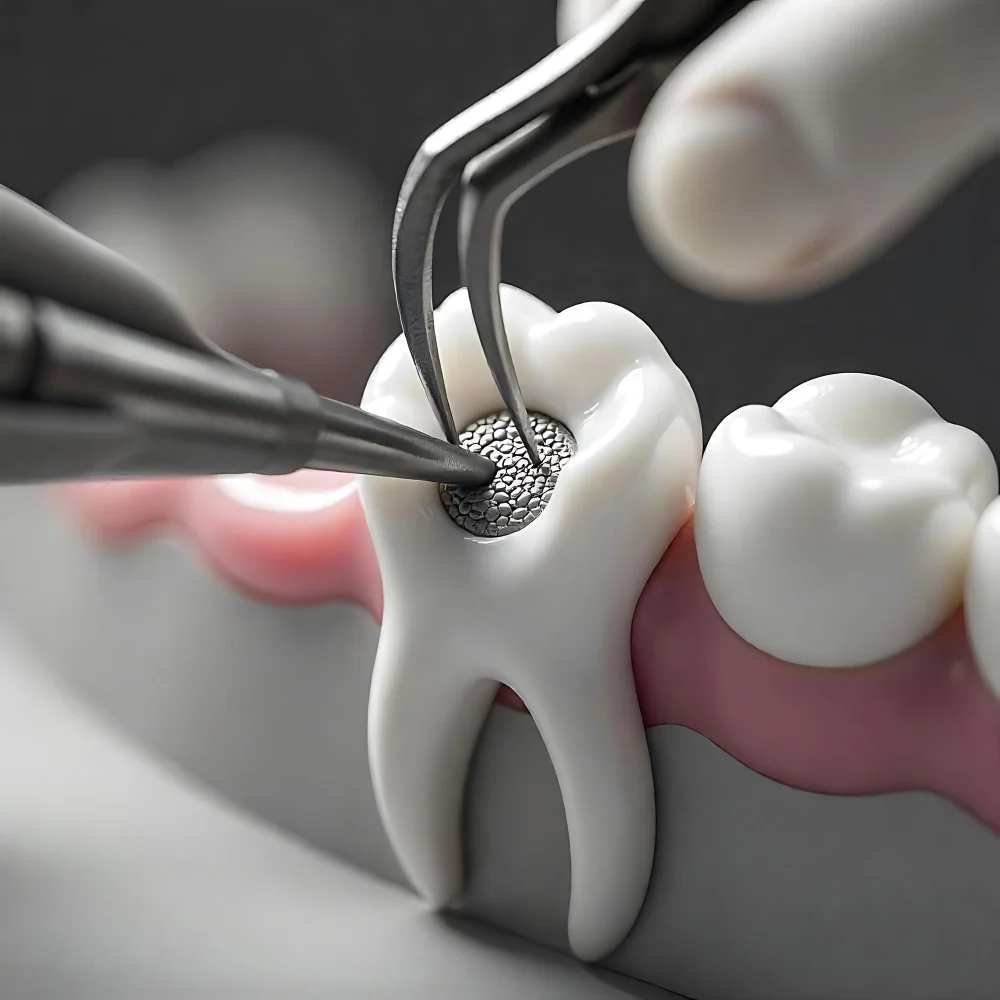
The filling process is a fairly simple one and will typically require only one appointment. The dentist first checks the tooth and may take an X-ray to see how much decay has taken place. A local anaesthetic might be used to make you more comfortable during your treatment. The spot is then scraped off and cleaned. The dentist then fills the cavity with a material that is appropriate for the situation and forms it to recreate the natural shape and function of the tooth.
Lastly, the filling is adjusted so that it will bite nicely.
What Types of Dental Fillings Are Available?
The type of material depends on the location of the cavity, its size, and the patient’s dental requirements.
Tooth coloured Materials: These are “composite” material fillings used for visible areas of the tooth.
Amalgam Fillings: Metal fillings that are rugged and are usually utilized for back molars.
Glass Ionomer Fillings: Materials that release fluoride and may be used for certain restorations.
Your dentist will be able to advise you on which material is the best after examining your tooth.
What Happens If You Delay Getting a Dental Filling?
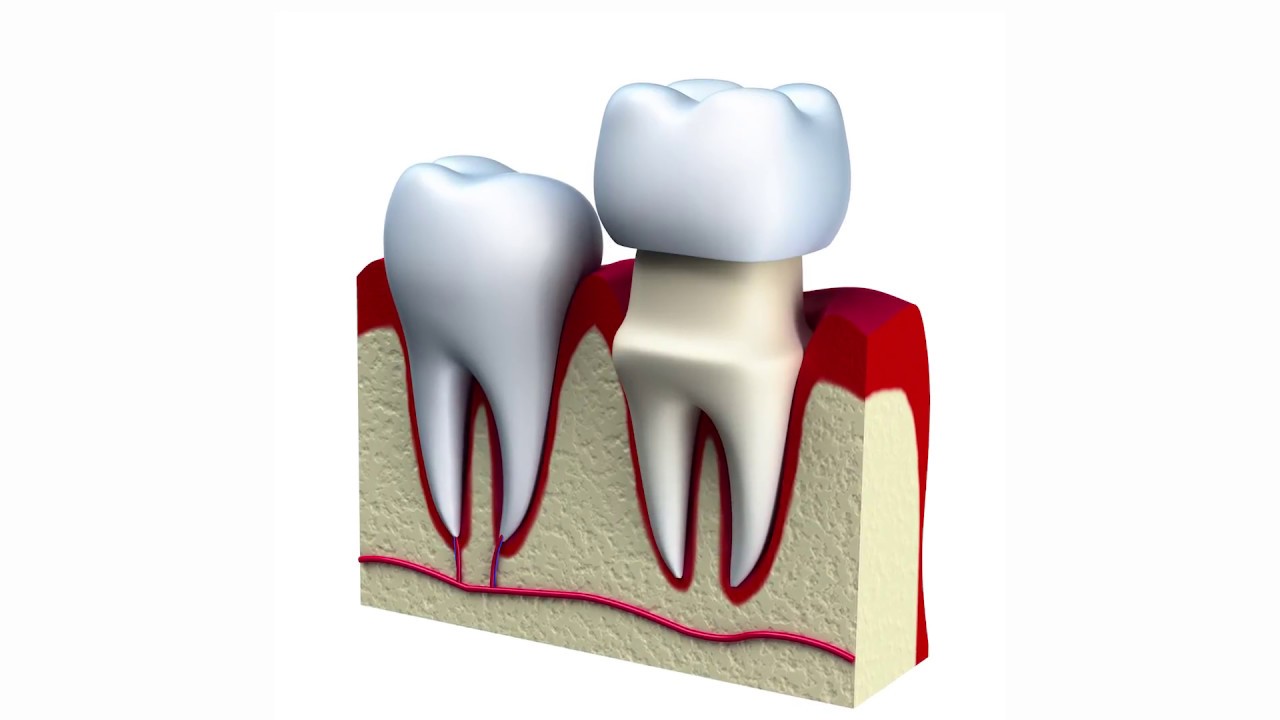
An untreated cavity may allow decay to progress deeper into the tooth. A small problem can grow and lead to involvement of the inner pulp (where nerves and blood vessels are found). In these situations, a filling might not suffice. Root canal treatment may be needed, along with a proper restoration/dental crown. Early treatment can help to retain more of the natural tooth structure and avoid any unnecessary complications.
How Can You Protect Your Teeth After a Filling?
Post-treatment care is essential for maintaining the structure of your teeth and will lower the possibility of developing new cavities.
- Brush your teeth twice a day using a fluoride toothpaste.
- Floss on a regular basis to clean between teeth.
- Please minimize sugary foods or beverages.
- Get regular dental check-ups.
- Don’t chew hard foods like ice.
- If your filling feels like it is high, loose, or uncomfortable, please call your dentist.
Why Choose Dental Aesthetic Clinic for Dental Fillings?
It is crucial to select a highly qualified and experienced dental specialist for accurate diagnosis and effective restoration treatment. Dr. Huma Abbasi of Dental Aesthetic Clinic makes it a point to grasp the dental condition of each patient and offer appropriate treatment options. They are informed about how to fill, options for materials, and post-filling care to help them make proper decisions.
Final Thoughts
Dental Fillings 101: How to Tell If You Need One & What to Do Next is about dental decay and recognizing its early signs, as well as knowing where to get immediate dental attention. If the sensitivity or the holes are visible, or the tooth is painful when chewing, or if the pain lasts, it should not be ignored.
A dentist can decide if you should get a filling or another treatment. Visit Dental Aesthetic Clinic