Skip to content
Posted by momnaabbasimomnaabbasi - July 17, 2026
Can a Fractured Tooth Hurt the Head?
If your tooth is broken, it may create problems other than pain in your mouth. The pain can sometimes radiate to other parts of the body, such as the jaw, ear, temple, or head. The nerves of the teeth and face have interconnected pain pathways, so that sometimes dental issues can be mistaken for a headache. Thus, the question arises: Does a Fractured Tooth Hurt the Head?
The answer is yes, a fractured tooth can cause some head pain if the crack extends to the inner portion of the tooth where the nerves are, or if it irritates or infects the tooth. Headaches, however, can have many causes, so a dental examination by a professional is still necessary to get an accurate diagnosis.
What Is a Fractured Tooth?
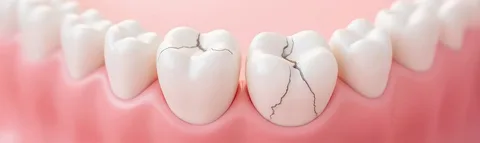
A cracked tooth occurs when a portion of the tooth cracks, breaks, or splits. Damage can be to the outer enamel, or deeper to the dentin, or even to the nerves and blood vessels in the pulp.
Some of the most common causes of tooth fractures are:
- Chewing hard foods or things
- Bruxism (teeth grinding or clenching)
- Facial injuries
- Dental filling materials, both strong and weakened.Big or weak dental filling materials.
- Untreated tooth decay
- Sudden temperature changes
- Wear caused by the use of the product over time.
A fracture may be easy to see, or the symptoms may develop without a visible fracture.
Can a Fractured Tooth Hurt the Head?
So, Does a Fractured Tooth Hurt the Head? It can. A fracture can cause the nerve in the tooth to be irritated. Facial and dental nerves are linked by the trigeminal nerve, which can cause pain to travel or be felt elsewhere.
If a tooth in the upper jaw is damaged, it can cause a sore around the cheek, temple, or side of the head. A lower toothache may refer to the jaw and/or ear.
Additionally, if the broken tooth is infected, the swelling can lead to even more pain and cause the pain to be constant or throbbing.
What Does a Fractured Tooth Feel Like?
Symptoms will vary depending on the location and extent of the fracture. Some people have constant pain, while others only have pain while chewing.
Common symptoms include:
- Sharp pain when biting
- Food sensitivity to foods (hot or cold)
- When biting, the pain is experienced when pressure is released.
- Being sensitive to sweet foods.
- Gums that are puffy around the tooth.
- Intermittent toothache
- Pain that radiates towards the ear, head, or jaw.
Symptoms may wax and wane, leading some people to put off treatment. But if the dental treatment is not maintained, the fracture can deteriorate over time.
How Can Tooth Pain Cause a Headache?
There is a complex network of nerves in your teeth, jaw, and face that communicates with each other. So, sometimes your brain may not be able to pinpoint the exact cause of pain. This is referred pain, as dentists would say.
Plus, when one tooth hurts, you might be clenching your jaw or tightening muscles in your face. This can lead to muscle tension, which can be responsible for headaches around the temples or forehead.
Those who already grind their teeth can suffer from dental fractures and from tension headaches. So, it is necessary to determine the cause.
When Should You See a Dentist?
If you have ongoing tooth pain, sensitivity, swelling, or ongoing headaches with dental symptoms, it is important to have a dental checkup. However, if you notice any of the following, seek immediate treatment:
Also, if the pain becomes very intense or gets worse.
- Facial swelling
- Fever
- Tooth with a fracture or break that is easily seen.
- Difficulty chewing
- Gingivitis is characterized by swelling around the gums.
- Persistent sensitivity
Dr. Huma Abbasi at Dental Aesthetic Studio can look at the affected tooth and ascertain if you are suffering from a fracture, infection, or any other oral condition.
How Is a Fractured Tooth Diagnosed?
A detailed assessment may be necessary when the diagnosis of a cracked tooth has been made because it is difficult to see some fractures.
The dentist may:
- Take questions from your signs and symptoms.
- Examine the teeth and gums
- Check your bite
- Test sensitivity
- Apply dental imaging as appropriate
If the dentist can determine what the problem is, treatment can be started before the fracture causes additional issues.
How Is a Fractured Tooth Treated?
Treatment will vary based on the extent of the damage. If there is a minor crack, it might need to be monitored, or a dental restoration will suffice. But a bigger fracture may require:
- Dental bonding
- A filling
- A dental crown
- Root canal treatment
- In extreme cases, tooth extraction may be necessary.
The objectives are to alleviate pain, preserve remaining tooth structure, and restore normal function whenever possible.
Can Treating a Tooth Relieve a Headache?
If a tooth fracture is causing referred pain to the head, treating the fracture should help to alleviate the headache. But not all headaches are of dental origin.
If headaches persist after dental care, then it may be necessary to undergo an additional medical examination to determine if there is another cause.
Why Choose Dental Aesthetic Studio?
If the issue is a small crack that can easily be treated before it becomes more serious, it will be good to select the right time for dental treatment. The focus of Dental Aesthetic Studio is to provide a Custom Dental Assessment and Treatment Plan for each patient.
Dr. Huma Abbasi methodically reviews dental pain, sensitivity, and broken teeth to determine the source of discomfort. She then suggests the appropriate treatment to maintain a healthy mouth and make it comfortable.
Final Thoughts
If you’re asking yourself, Does a Fractured Tooth Hurt the Head? So yes, in some instances. Discomfort can radiate from the affected tooth to other locations due to nerve irritation, referred pain, infection, or jaw tension.
Symptoms are different for each person, but if the pain in the tooth is long-lasting and accompanied by headaches, this is a sign to visit a professional. If you think that you may have a cracked or fractured tooth, please visit Dr. Huma Abbasi at Dental Aesthetic Studio for a consultation. If your tooth is diagnosed early, you can get some relief, prevent the tooth from worsening, and have some pain removed.